Understanding cultural perspectives in gambling a deep dive into beliefs and practices
Historical Context of Gambling
Gambling has been an integral part of human culture for centuries, evolving from simple games of chance to sophisticated betting systems seen today. Different societies have engaged in gambling for a variety of reasons, including entertainment, social bonding, and financial gain. Historical records indicate that ancient civilizations, such as the Chinese and Romans, had their own games of chance, which were often tied to cultural rituals and social gatherings. In modern times, players may seek resources that can enhance their experience, such as a non gamstop uk casino, which connects diverse gambling practices.

As gambling practices spread across continents, they adopted local customs and beliefs, leading to a rich tapestry of gambling traditions. Each culture’s interpretation of luck, fate, and chance has shaped how gambling is perceived and practiced, often reflecting deeper societal values and norms. Understanding these historical contexts is essential to grasp how modern beliefs about gambling have formed.
Beliefs and Superstitions in Gambling
Beliefs and superstitions surrounding gambling are prevalent across cultures, often influencing how individuals approach games of chance. In many societies, certain numbers or symbols are considered lucky, and these beliefs can dramatically affect betting behavior. For instance, in some Asian cultures, the number eight is deemed auspicious, leading to its frequent use in gambling contexts.
Conversely, there are also numerous taboos and negative beliefs associated with gambling. Certain communities may view gambling as morally questionable or a vice, often rooted in religious or cultural teachings. These contrasting beliefs highlight the complexity of gambling practices and reveal how cultural perspectives can shape individual experiences with gambling.
Gambling as a Social Activity
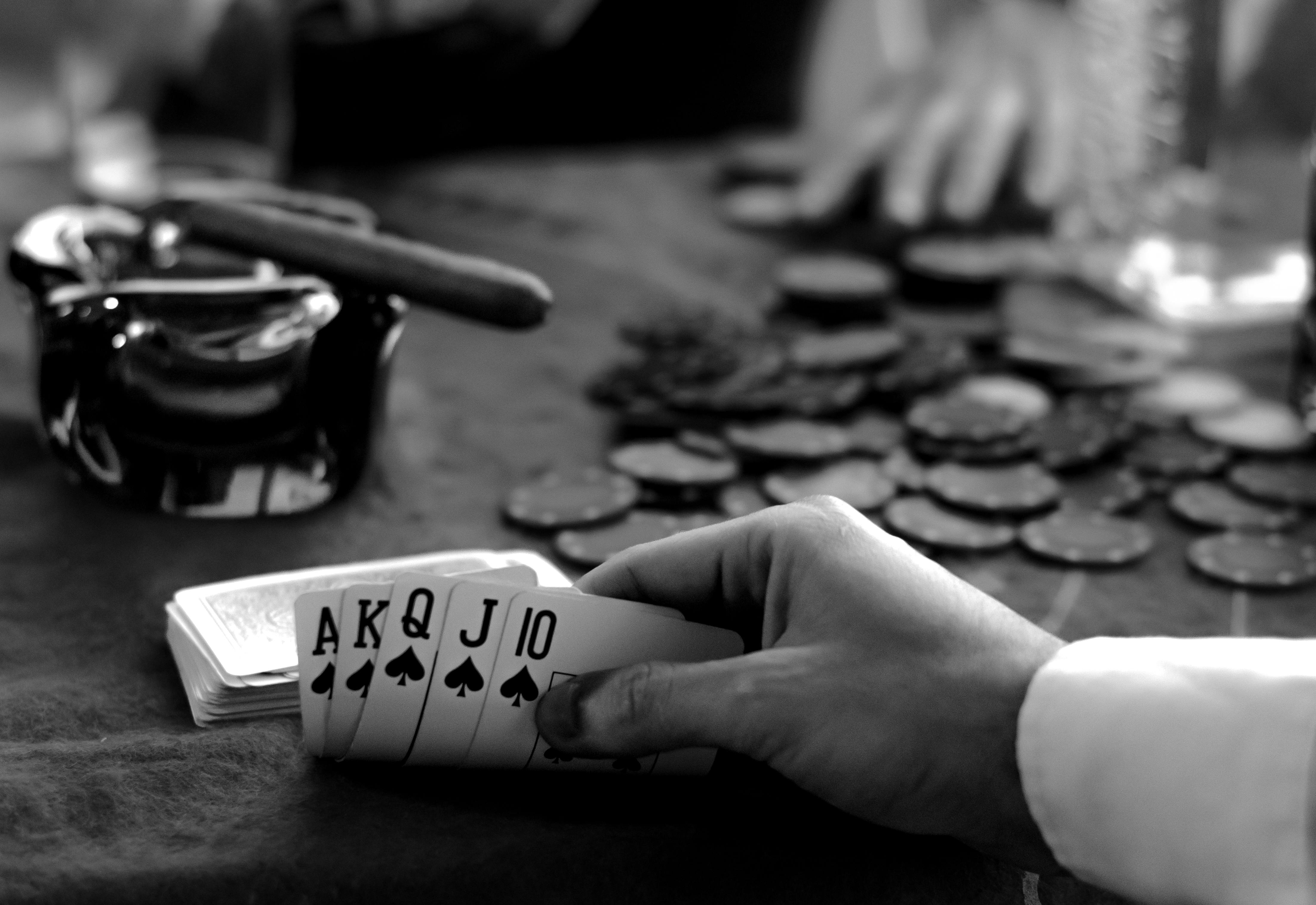
In many cultures, gambling serves as a social activity that fosters community and relationships. From poker nights among friends to large-scale casino events, gambling often provides a unique space for social interaction. In some cultures, it is customary to engage in gambling during festivities or family gatherings, reinforcing bonds and shared experiences.
However, the social implications of gambling can also be a double-edged sword. While it can promote connection, excessive gambling can lead to social isolation and strained relationships. Understanding these dynamics is crucial for recognizing the varying roles gambling plays within different cultural contexts and its impact on social structures.
Regulatory Perspectives on Gambling
Regulation of gambling varies significantly from one culture to another, often reflecting societal attitudes towards the practice. In some countries, gambling is heavily regulated or even banned due to moral or religious beliefs, while in others, it is embraced as a legitimate industry. These regulations can significantly affect how gambling is practiced and perceived, influencing everything from casino operations to online betting platforms.
Additionally, the legal framework surrounding gambling often reflects broader societal issues such as economic conditions and crime rates. Understanding the regulatory perspectives on gambling provides insights into how different societies balance the potential benefits and risks associated with this age-old practice.
Insights from Research Communities
The exploration of cultural perspectives in gambling is enriched by research initiatives such as those conducted by institutions focused on social sciences. These research communities aim to dissect the intricate layers of beliefs, practices, and societal impacts surrounding gambling across cultures. The insights garnered from such studies can help inform policy-making, enhance understanding of gambling behavior, and promote responsible gambling practices.
By engaging with research, individuals and communities can better comprehend the cultural nuances of gambling, paving the way for more informed discussions about its place in society. Such dialogue is essential for addressing the challenges and opportunities posed by gambling in an increasingly interconnected world.